Why Fitness Hacks Fall Short—and What to Do Instead
There seems to be a hack for everything now. Productivity, sleep, learning, exercise. Apparently, even doing the thing needs a shortcut.
I understand the appeal. We all have limited time, and finding a better way to do something makes sense. But when it comes to fitness hacks, it’s easy to spend more time searching for an advantage than actually training.
A new exercise might be useful. A technique adjustment might help. Neither can do much for you if searching for the next breakthrough keeps replacing the work itself.
When searching for fitness hacks becomes a distraction
Scroll through social media and you’ll find an endless supply of exercises you’re supposedly missing, mistakes you’re supposedly making, and variations that promise to change everything.
Some of that information is helpful. But a video doesn’t know your training history, your goals, or what you’re already doing well.
You might see a drill for improving your pull-ups and assume it belongs in your routine. Then another video suggests a different approach. Before long, you have twelve saved exercises and no clear idea which problem you’re trying to solve.
Learning about exercise can feel productive. So can researching the perfect program. The question is whether that information is helping you train or continually sending you back to the drawing board.
Before saving another tip, ask yourself: What specific problem would this solve in my training right now?
If you don’t have an answer, you probably don’t need to rearrange your workouts around it.
What I noticed watching our members compete
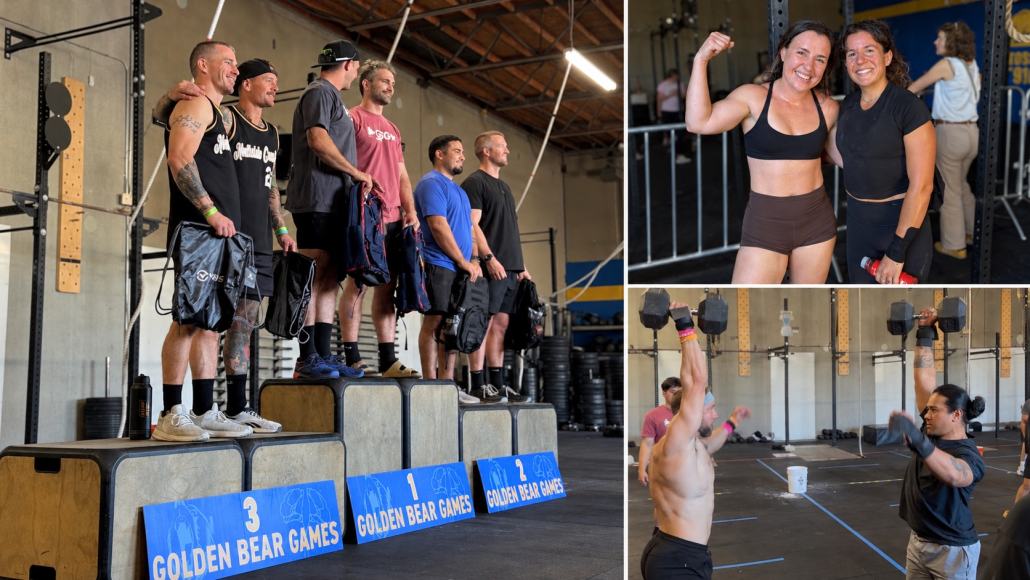
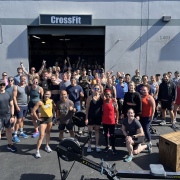
Watching members of CrossFit Sweat Shop compete at the Golden Bear Games in Sacramento reinforced this for me.
They all performed amazingly. As their coach, I also knew something spectators couldn’t see: these athletes consistently train five days a week.
Their performances reflected the work they had been putting in long before competition day.
That doesn’t mean five days a week is the right schedule for everyone. Your goals, experience, recovery, and other commitments matter. Three regular training days might be a much better fit for your life.
The point is that these athletes gave their training time to work. And that lesson applies whether you want to compete, get stronger, or simply feel better doing everyday things.
A useful training tip has a specific job
I’m not suggesting you ignore new ideas or stop looking for ways to improve.
Drills and accessory exercises can be valuable, particularly when you’re learning gymnastics skills or Olympic lifts. A coach might identify something specific, give you an exercise to address it, and help you see whether it’s working.
That’s a clear reason to add something.
Compare that with trying an exercise because someone online called it the one movement everyone needs. You may already have that area covered. You may need a different approach. Or you may need more practice with what you’re already doing.
A useful tip fits into your training. It doesn’t automatically require you to abandon everything that came before it.
Variety and constantly starting over are different things
This might sound funny coming from a CrossFit coach. Our workouts change regularly.
But variety within a training program can still involve practicing familiar movements, developing skills, and building on previous work. Different workouts can serve a continuing purpose.
Constantly starting over is different. You try an approach, find something that looks more exciting, and switch before you have much experience to evaluate.
There are good reasons to change your training. Your goals might change. Your schedule might change. Something might need adjusting.
“Another video made this look outdated” deserves a little more scrutiny.
Before making a change, ask:
- Have I actually followed my current approach regularly?
- What progress have I noticed?
- What isn’t working, specifically?
- Could a coaching adjustment address it?
Sometimes a change is warranted. Sometimes you need help making the current plan more effective. Those questions give you something more useful to work with than the appeal of something new.
Good coaching helps you decide what deserves your attention
One benefit of a coached class is having someone help you sort through those decisions.
At CrossFit Sweat Shop in Walnut Creek, you can ask a coach about an exercise you’ve seen, get feedback on your movement, and understand what to focus on during the workout.
You don’t have to figure out every detail from a collection of saved videos.
And you still get to learn. You still get variety. You still get the satisfaction of trying something challenging. There’s plenty to keep training interesting without needing every session to reveal a secret.
The reward goes beyond the workout
Showing up on an ordinary Wednesday doesn’t make particularly exciting content.
But those ordinary days give you opportunities to notice something: a movement feels more comfortable, a weight moves more easily, or you handle a workout better than before.
You also start building trust in yourself. You have evidence that you can follow through after the excitement of starting has worn off.
That’s a rewarding feeling. You know the progress belongs to you because you were there doing the work.
If you’re around Walnut Creek and ready to spend less time sorting through fitness advice, come experience a coached workout at Sweat Shop.
Try a free CrossFit class at CrossFit Sweat Shop.
Bring your questions. We’ll help you put them into practice.





Leave a Reply
Want to join the discussion?Feel free to contribute!